Balaton

And of course, the Balaton

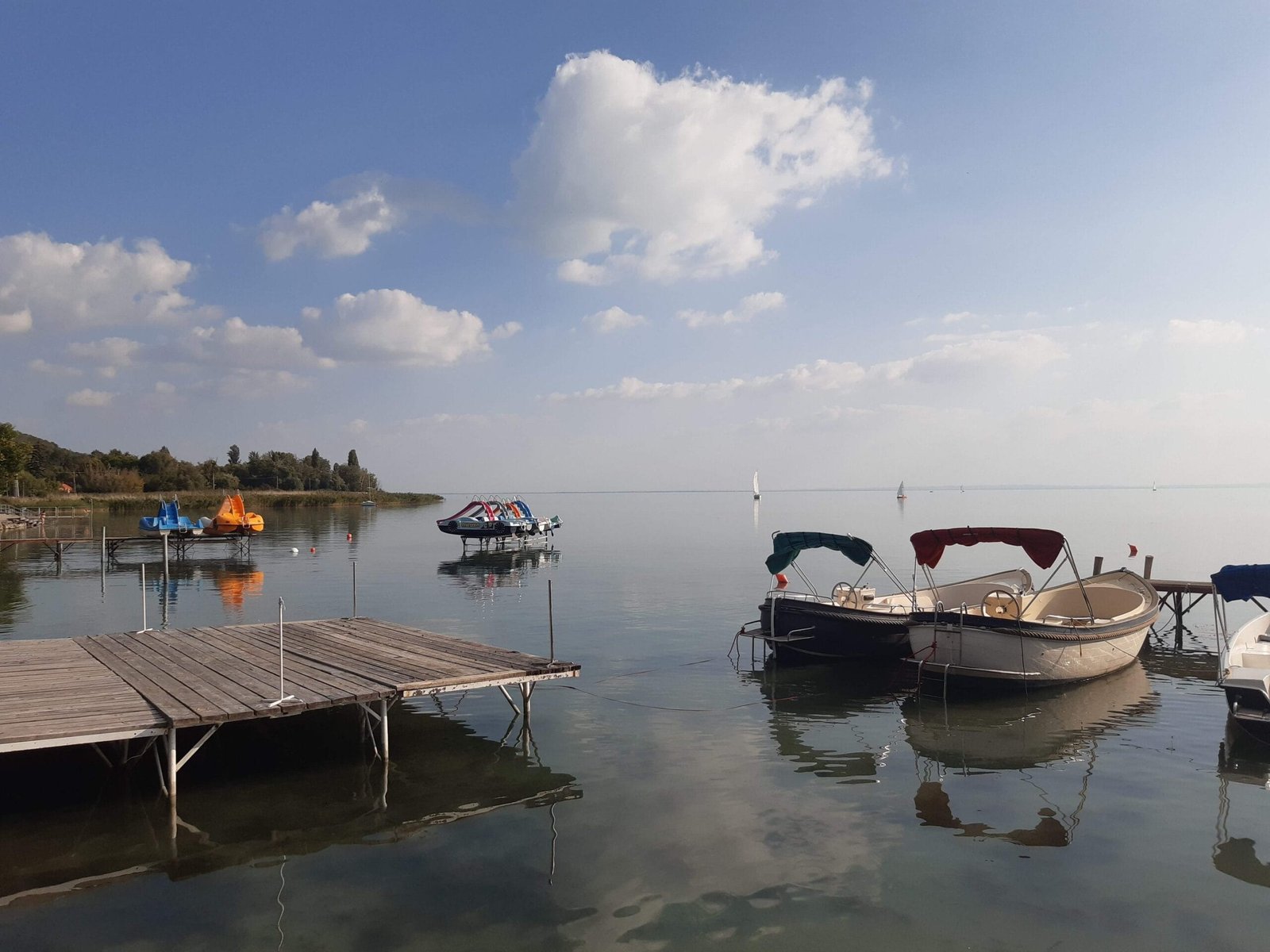
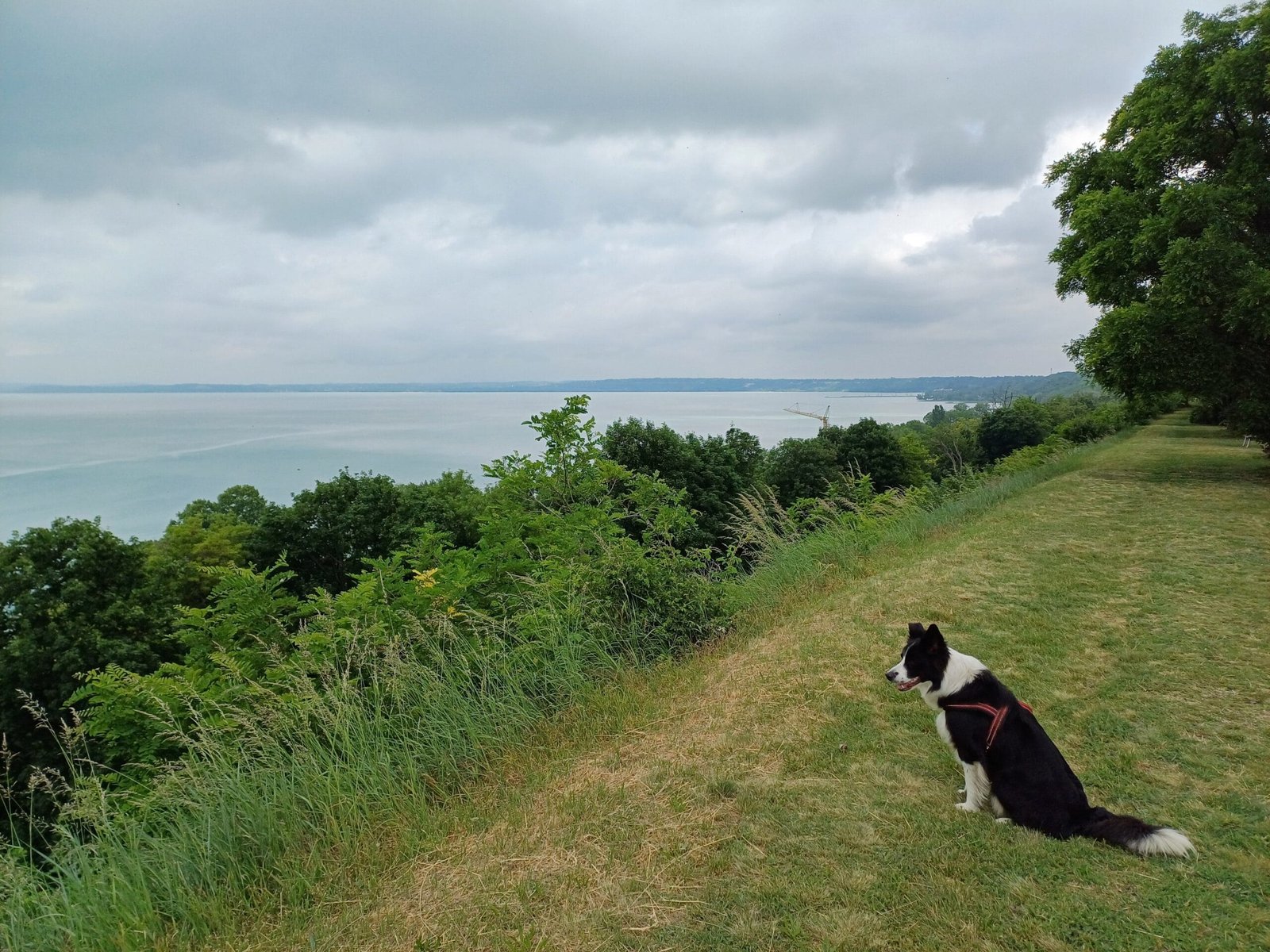
Just about the only thing (except the capital) everyone has heard of: the giant Lake Balaton

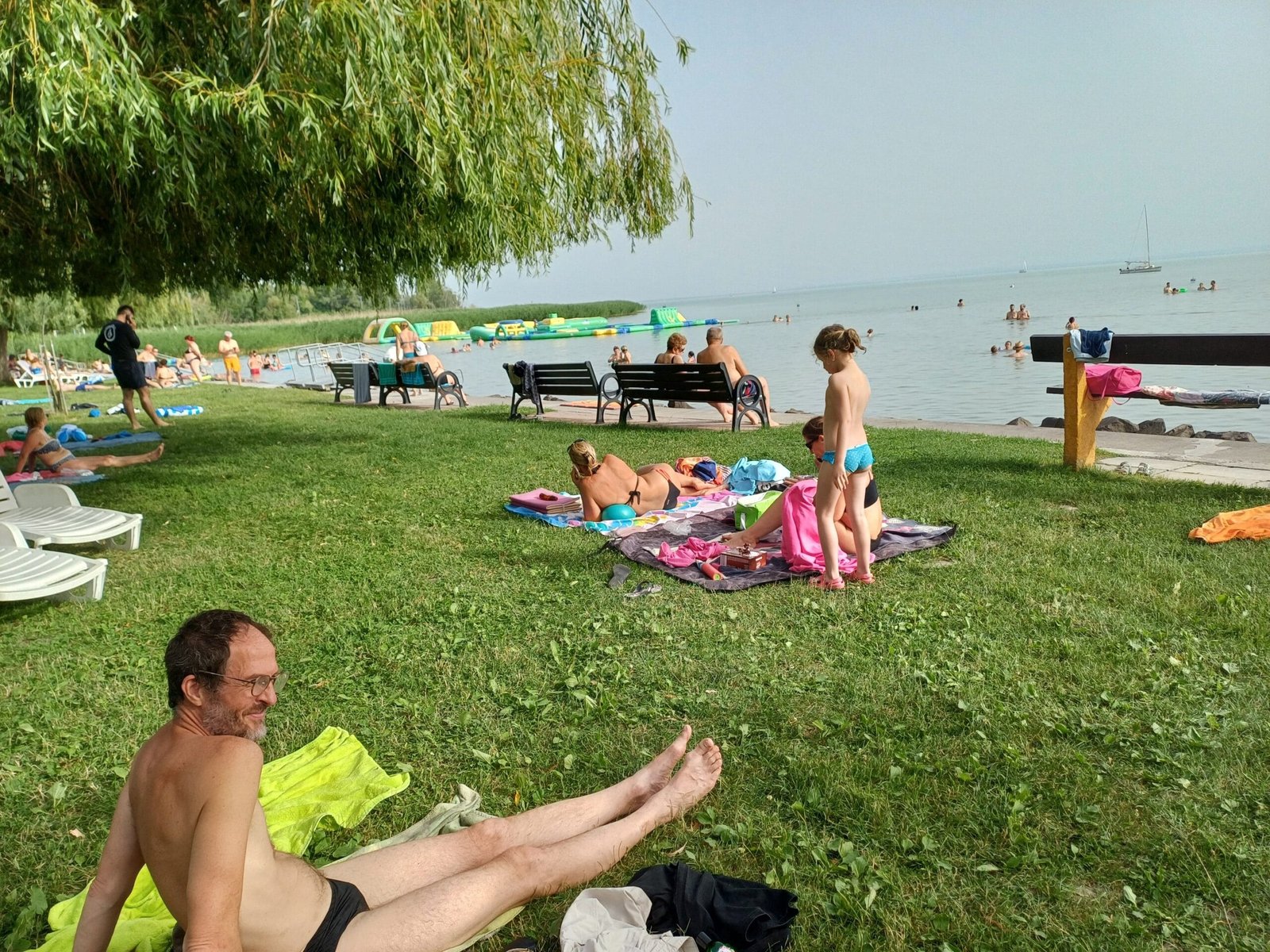
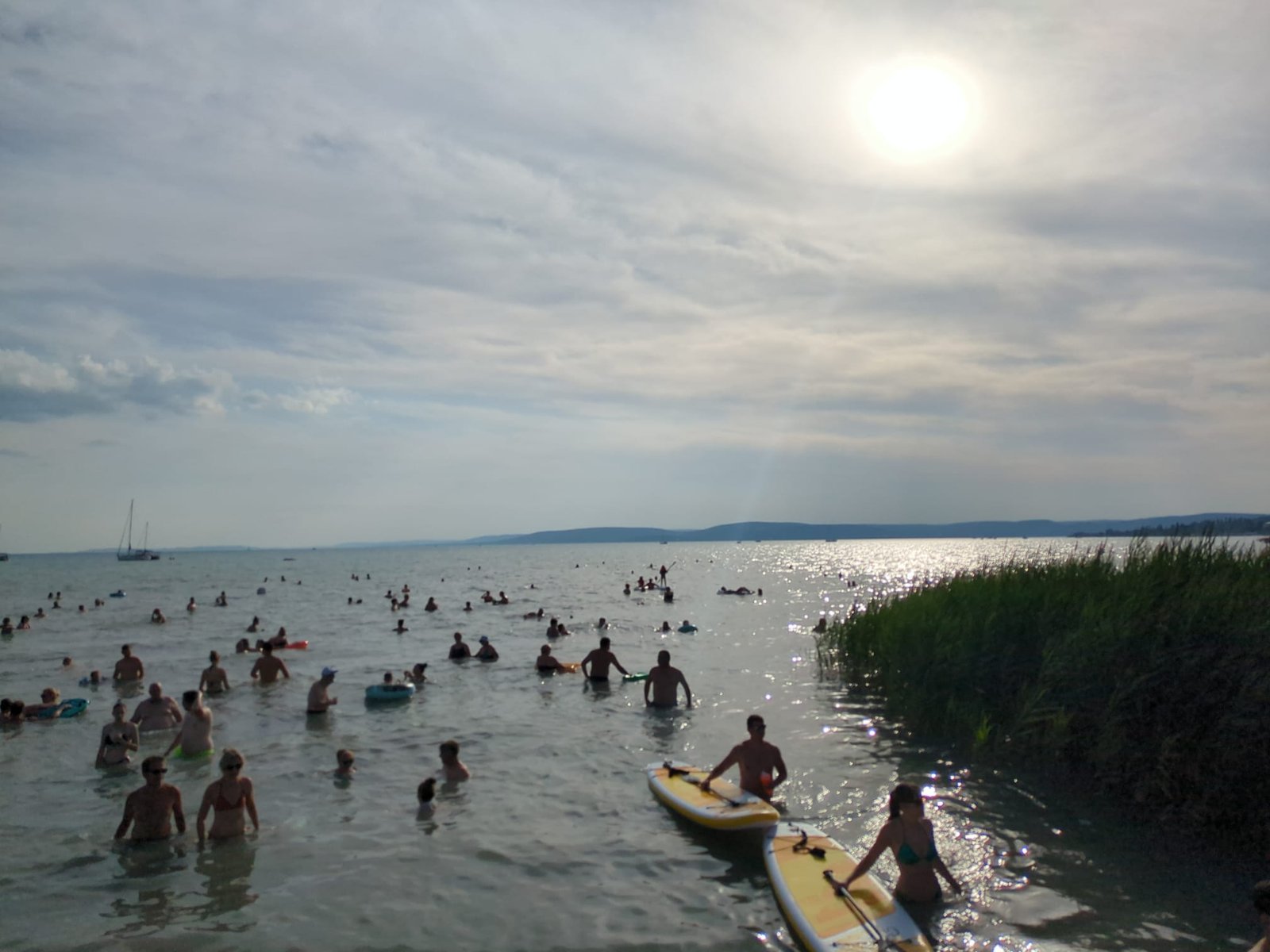
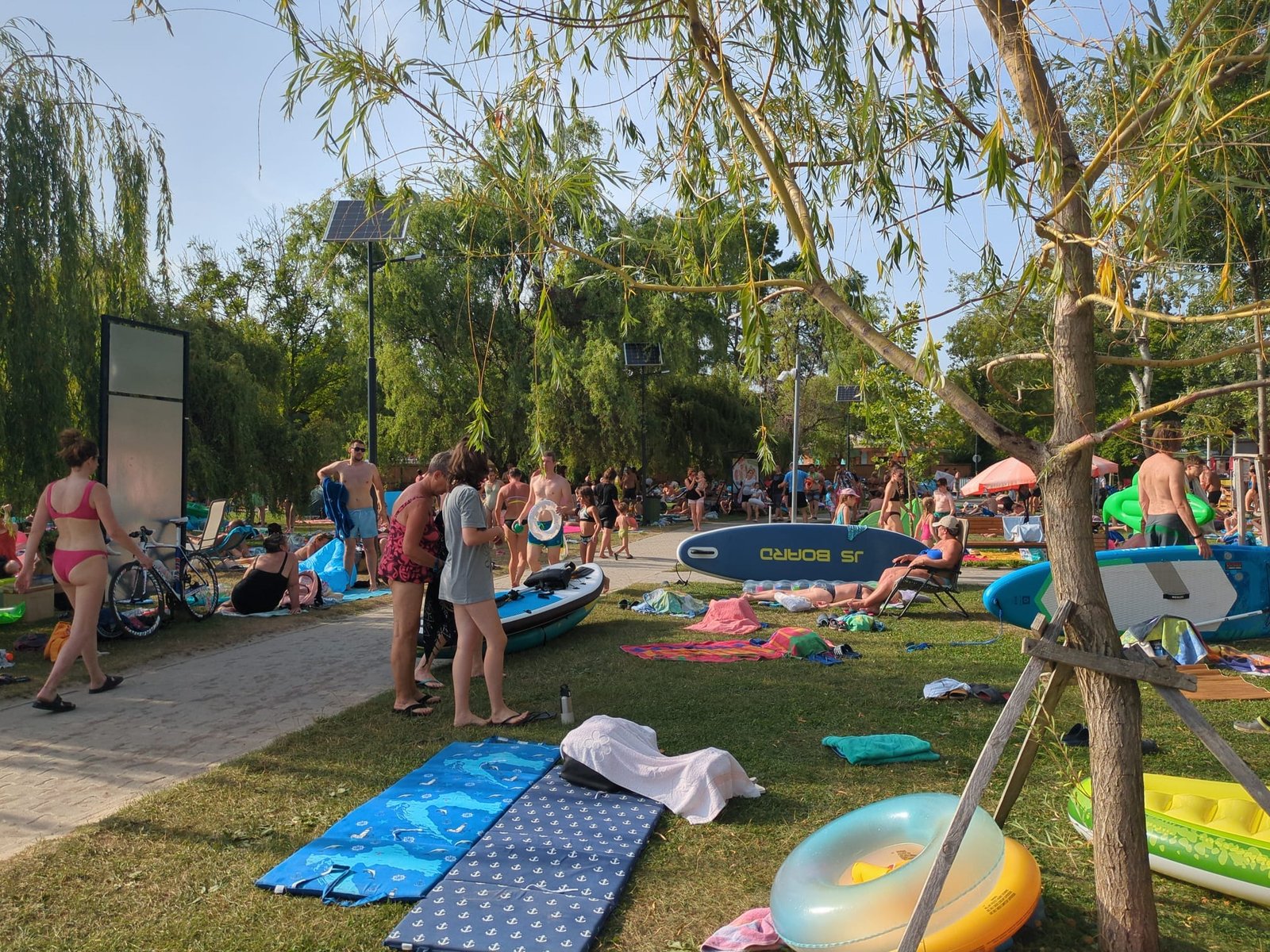
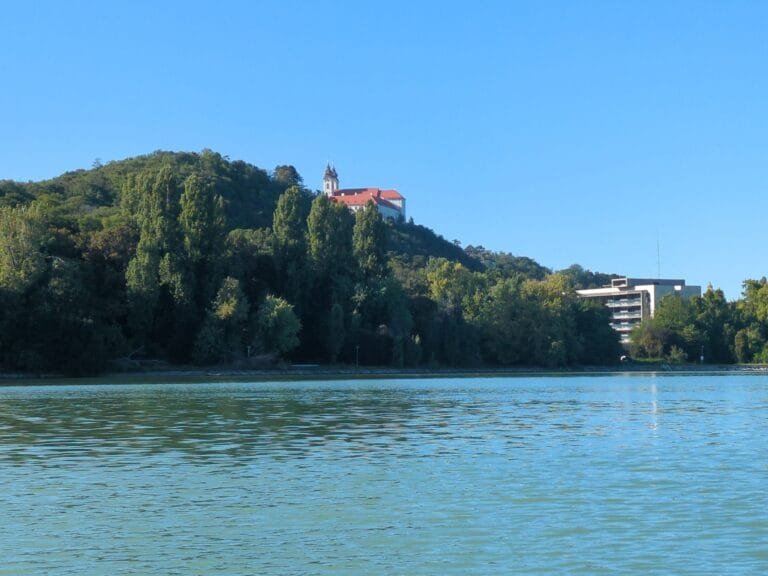
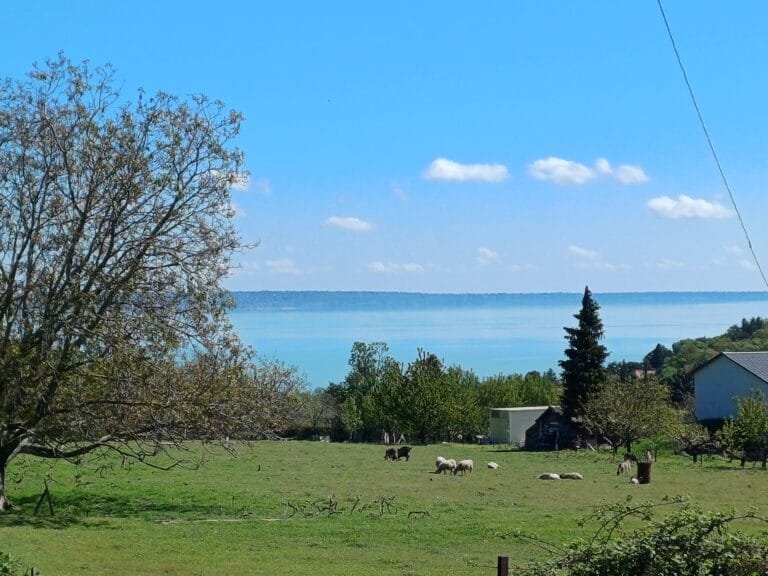
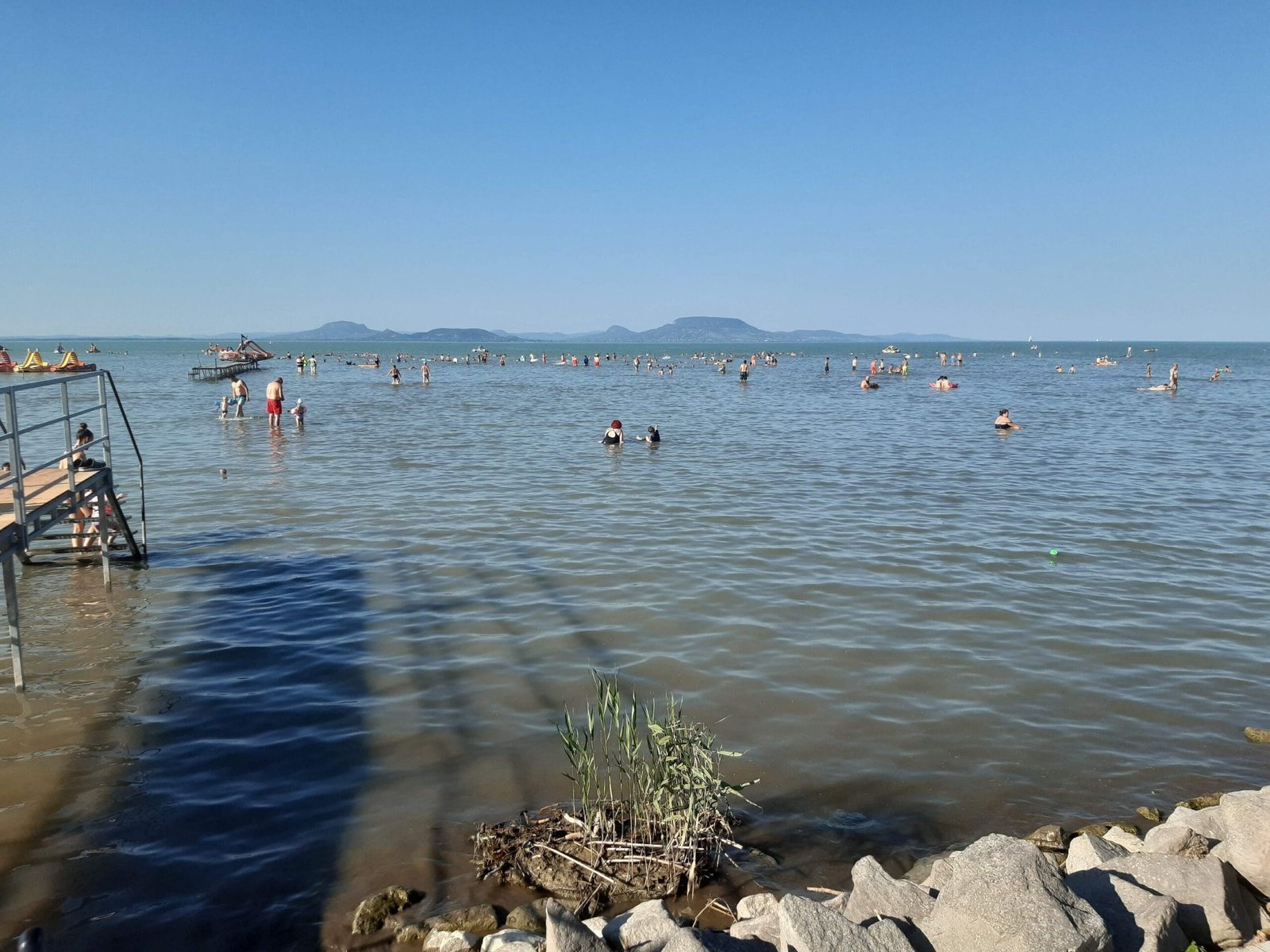
Lake Balaton is 85 km long, so longer than our Flemish coastline (and the circumference is much more, of course). Although on a beautiful Sunday almost all Hungarians head for Balaton-worthy it is not that crowded compared to our coast. On the other hand, what is called ‘beach’ here is mostly grass. In many places, there are just reeds along the lake and you really can’t reach them, so you have to go to those paid or free ‘grass beaches’. But they are very nice with sanitary facilities and all kinds of places to eat and drink, and usually also play equipment, floating bouncy castles etc. for the children. A bit ‘the Nekker’ writ large.

Of course, we can go swimming during the week after work (4 pm) and enjoy the perfect water temperature (as early as May) and gently sloping sandy bottom (without rocks and sea urchins): swimming doesn’t get any better as far as I’m concerned. But we did go once on the first Sunday of the school holidays and at 35° to see how ‘bad’ the crowds got. The grass was indeed quite full, but you swim away from the little beach and along the reed beds in no time. Hungarians are really quiet people, all ages mix and it looks super peaceful. And what we noticed: towards the evening, everyone went home and left the beach clean…why can’t we do that with us?

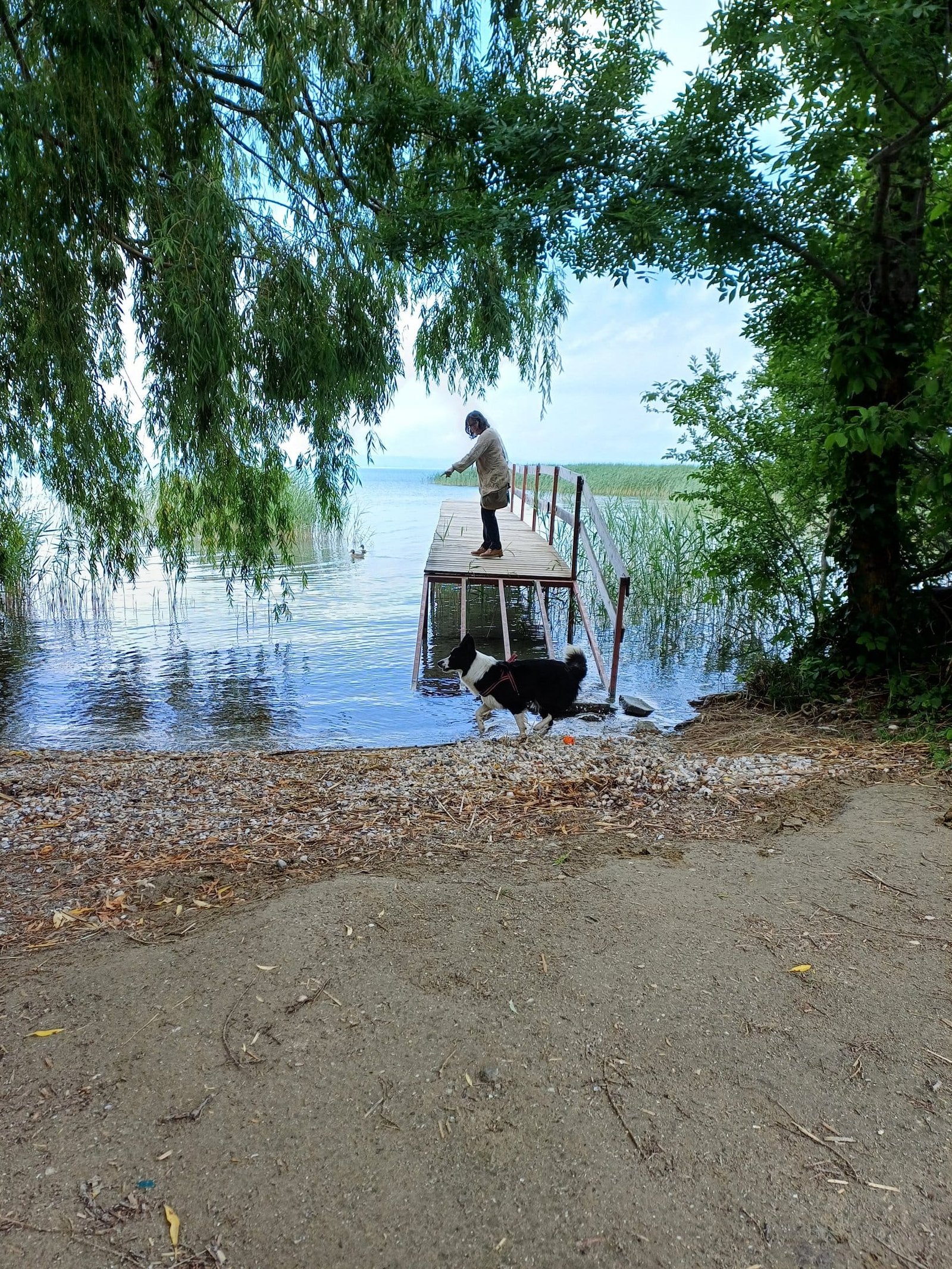
Mazy is not 100% happy because most beaches are forbidden for dogs (which makes sense), although fortunately there are also beaches for dogs-with-bosses. She just needs to learn to swim better.
Similar Posts

  • |

    History lessons from Budapest

    Discover Hungary’s complex history in Budapest by delving into the dark 20th century. Visit the Jewish quarters, the Great Synagogue and the Shoes Memorial for an impressive experience about the Holocaust. The Terror Háza Museum highlights the Nazi and Communist periods, while Memento Park preserves Communist statues. Learn about the silent resistance of Hungarians and their resilience. A fascinating people with a history full of nuances, where no story is black and white.

  • Budapest

    If anyone knows anything about Hungary, they have probably heard about its capital, Budapest.
    We had been there two years ago, and visited a shop or government building regularly in recent months, but it was high time to pay another tourist visit to our capital.

  • Cycling tour around eastern Balaton

    We went on a three-day cycling tour along Lake Balaton, with an extra loop through the Bakony region to cover sufficient distance. We started in Berhida and cycled via Eplény along quiet country roads to the north coast. Via Balatonfüred and the coast of the Tihany peninsula, we crossed over to the south shore at Szántód. On the third day, we temporarily left the shore, cycled over cliffs and forest roads, and ended up back in Berhida. We encountered unpaved or impassable sections, sometimes overgrown paths, and busy stretches without cycle paths; but everywhere we enjoyed views, tranquillity, and flexibility.

  • Cycling around Balatonalmádi

    On Easter Saturday, we cycled from Balatonfűzfő along Lake Balaton to Balatonalmádi. The tour, with an elevation gain of around 500 metres, requires good physical condition due to the challenging slopes. We climbed the Csere-hegy and Somlyó-hegy observation towers via good cycle paths, enjoyed the nature and rest stops, and returned to the start via a restaurant and a steam locomotive.

  • Autumn fog

    November is also a grey month in Hungary. There is still little rain, but regular thick fog. Mazy catches her balls flawlessly and the deer were like shadows behind the garden: walking here is worthwhile in every season. After 10 days of shivering at 12°C in the house, we can now happily turn up the…