dsc02546 YrDa8qp9vJF5vOly

Lavender?

What are those purple flowers?
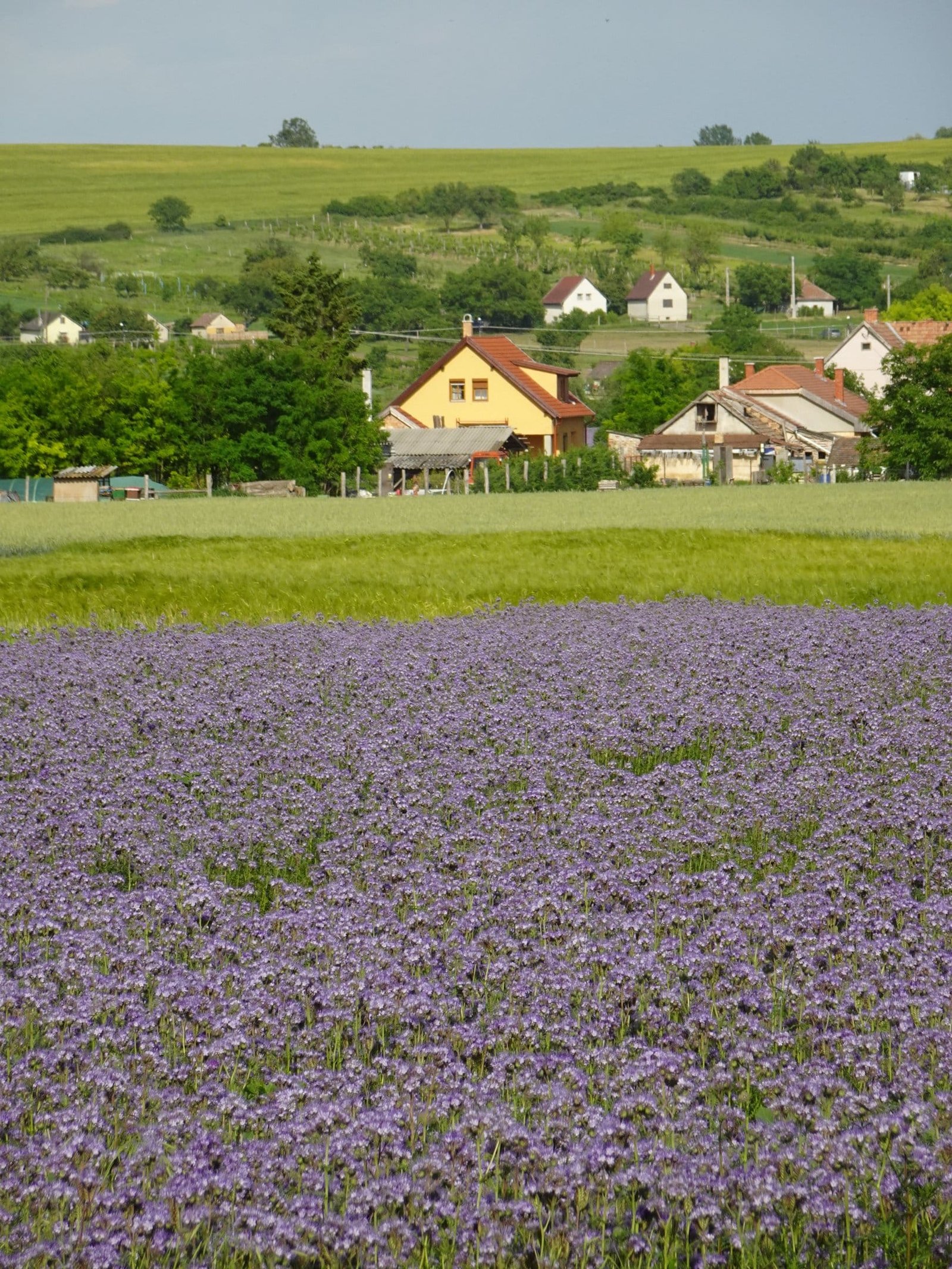
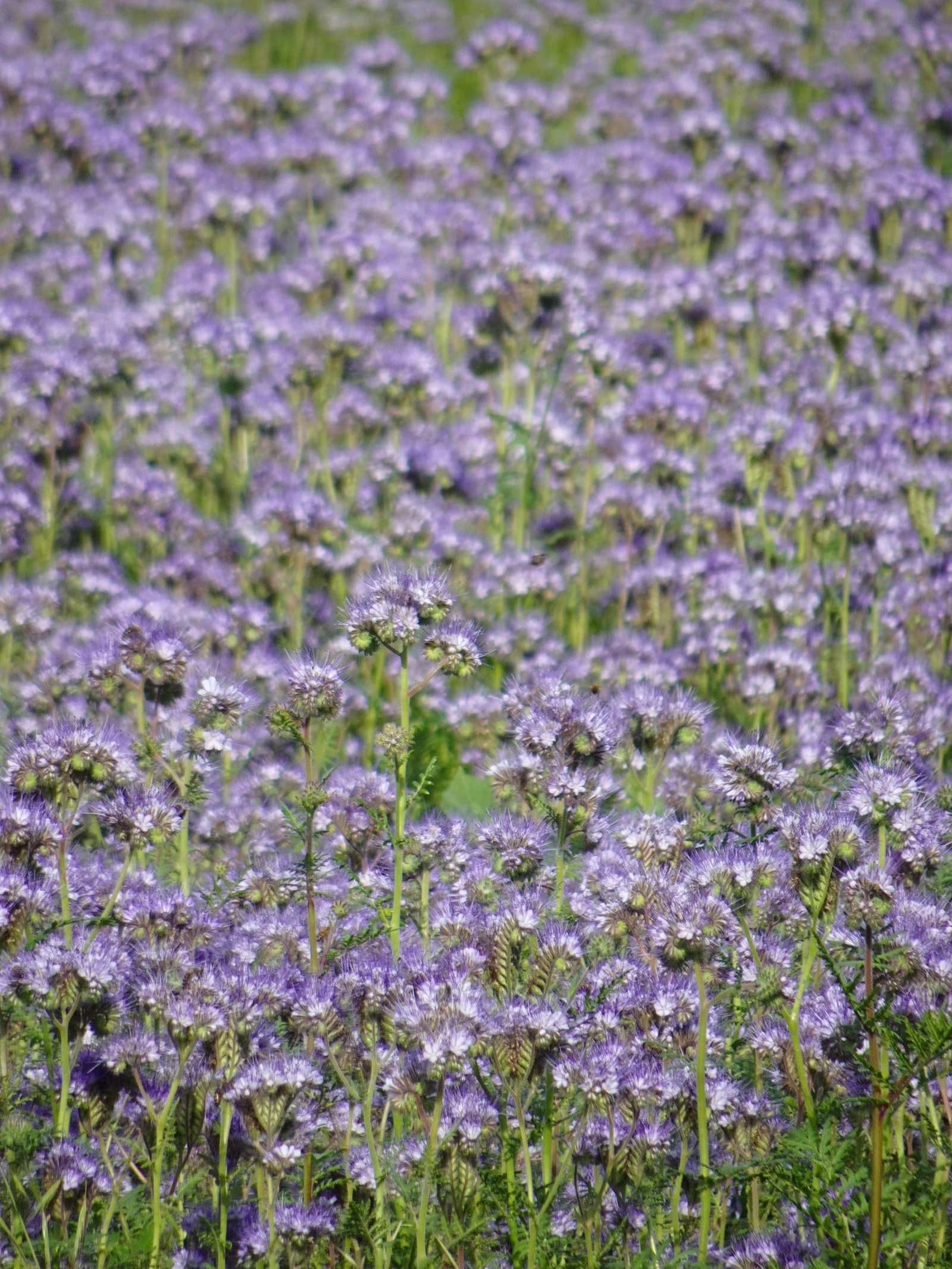
Phacelia field
Phacelia

Soon, we noticed beautiful purple fields popping up on walks in the area. We imagined ourselves in Provence, and of course the climate is not that different so why not lavender fields? On closer inspection, however, the little flowers looked nothing like lavender, and rather suspiciously like a green manure crop popular with us: Phacelia (bee food). That that would be used on such a large scale here seemed unlikely. Perhaps it also has another use? Fortunately, Wikipedia knew the answer: almost all Phacelia seeds sold with us come from this region of Hungary. So the fields are seed farms. As a side income, you do see a lot of hives near those fields. And so we learn about this beautiful region every day.

Similar Posts

  • Ski-area Eplény

    Hungary has no Alps, but does offer some ski resorts, such as the Mátra Mountains and the ski arena of Eplény, 30 minutes from Budapest. Although the altitude is limited (500 m, 175 m elevation gain), there are multiple slopes, elevators and ski facilities, including evening lighting and ski rentals. Due to its small size, waiting times are minimal, allowing for smooth skiing. The area is too small for a real ski vacation, but ideal for regular practice. In summer, it is transformed into a mountain bike park.

  • Bátorkő Vára

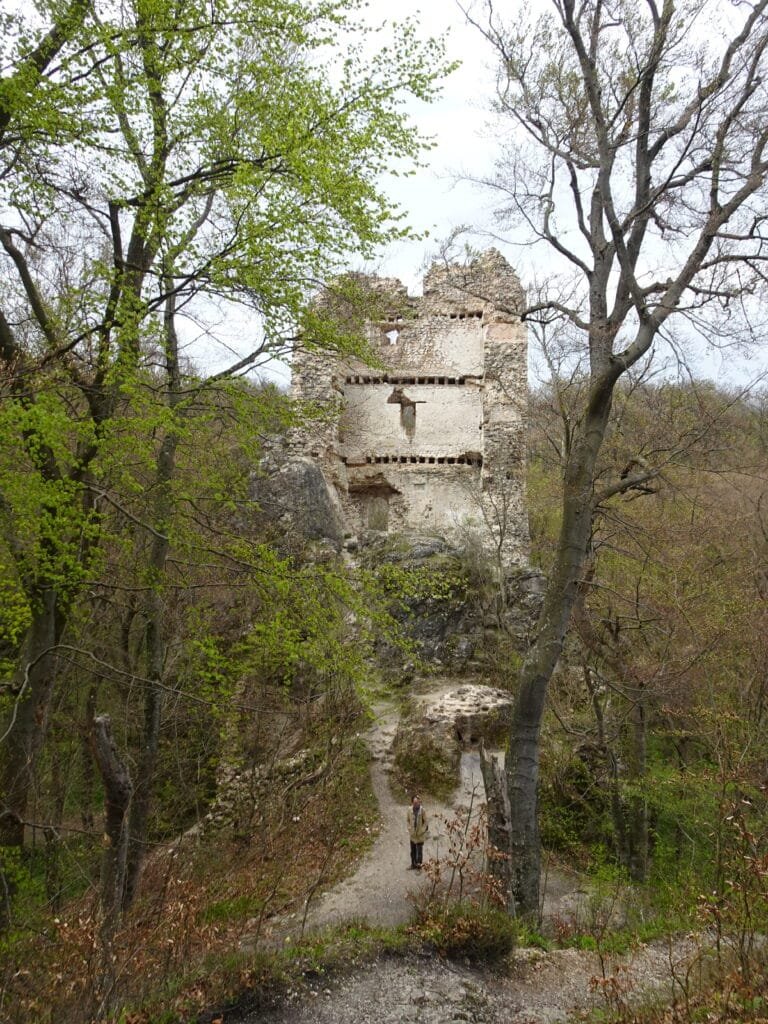
    In the vicinity of Várpalota, near the Bakony Mountains, there are beautiful, well-maintained walking and cycling trails, ideal for trips in April and October. The Mapy app makes it easier to find routes than Google Maps. A favourite walk is the 10 km trip to the ruins of Bátorkő vára, via the ‘red cross’ path and back along the ‘red stripes’ cycle path. Plants such as blue iris, vinca and wild garlic grow here in the wild, giving off a strong scent.

  • Discovering Hollókő – A Timeless Hungarian Village

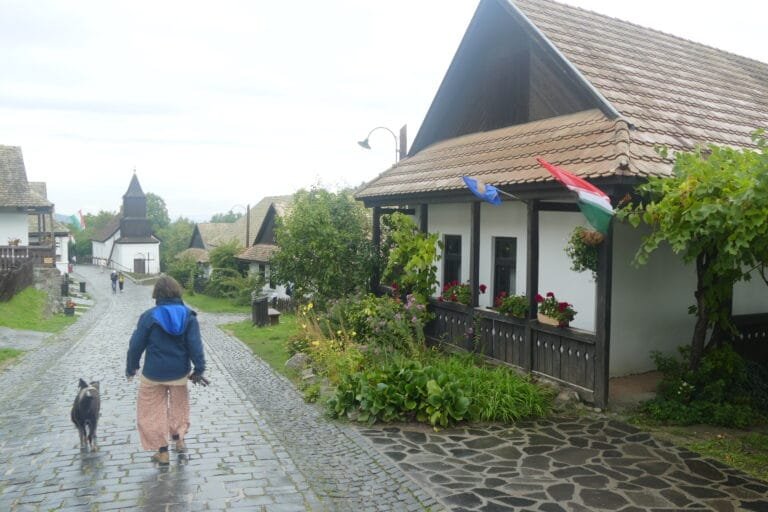
    A visit to the historic Hungarian village of Hollókő, near the Mátra Mountains. Comparable to Bokrijk, but authentic: the houses are still in use. The village mainly lives off tourism: shops, cafés, museums in every house. You can walk to a castle and further on to a work of art called “the palm of God” with views over the valley. Conclusion: definitely worth a visit, especially if you are staying in the Mátra.

  • |

    History lessons from Budapest

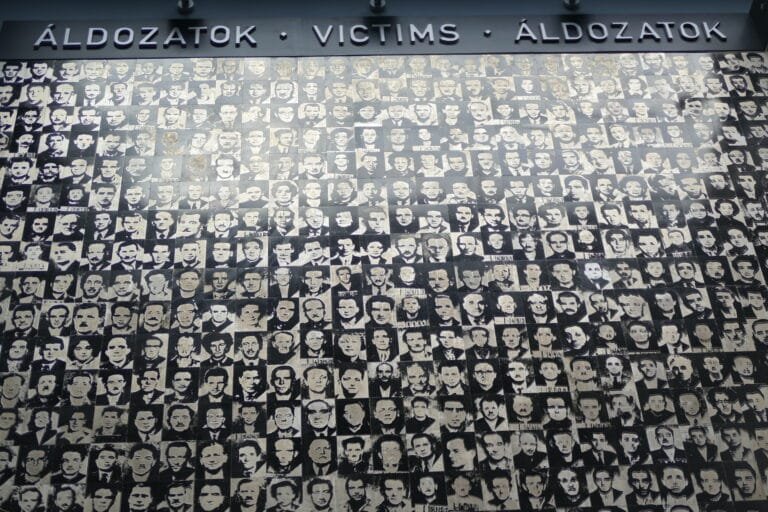
    Discover Hungary’s complex history in Budapest by delving into the dark 20th century. Visit the Jewish quarters, the Great Synagogue and the Shoes Memorial for an impressive experience about the Holocaust. The Terror Háza Museum highlights the Nazi and Communist periods, while Memento Park preserves Communist statues. Learn about the silent resistance of Hungarians and their resilience. A fascinating people with a history full of nuances, where no story is black and white.