Horses of the Hungarian Puszta
The legendary horsemen of Hungary
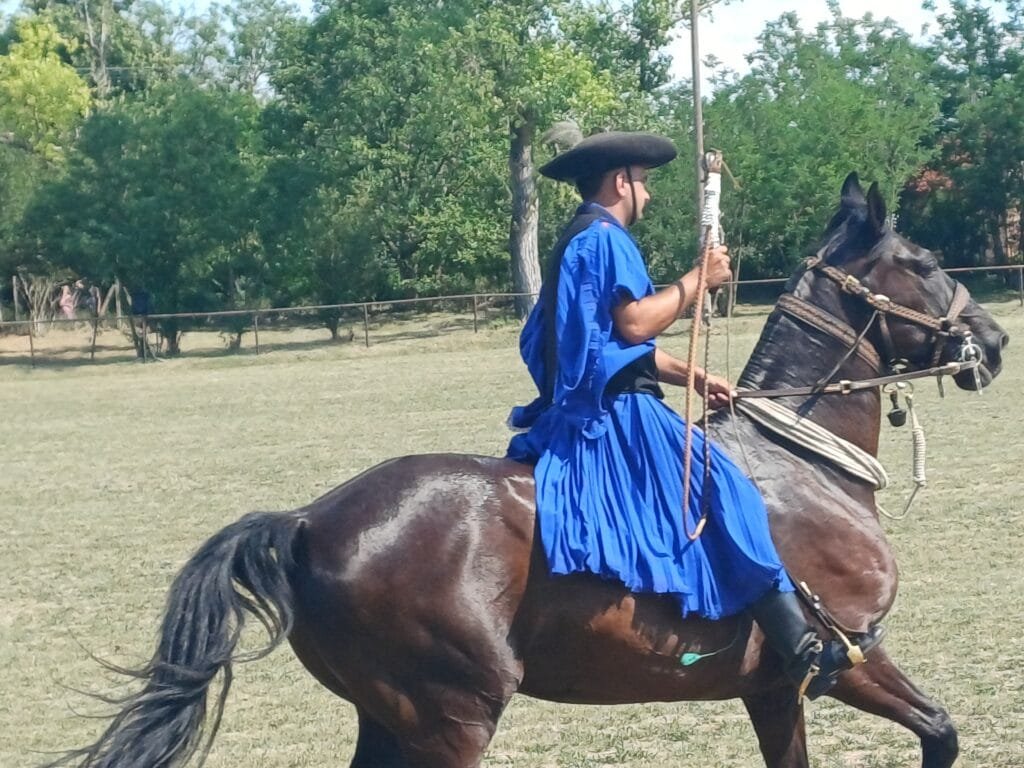
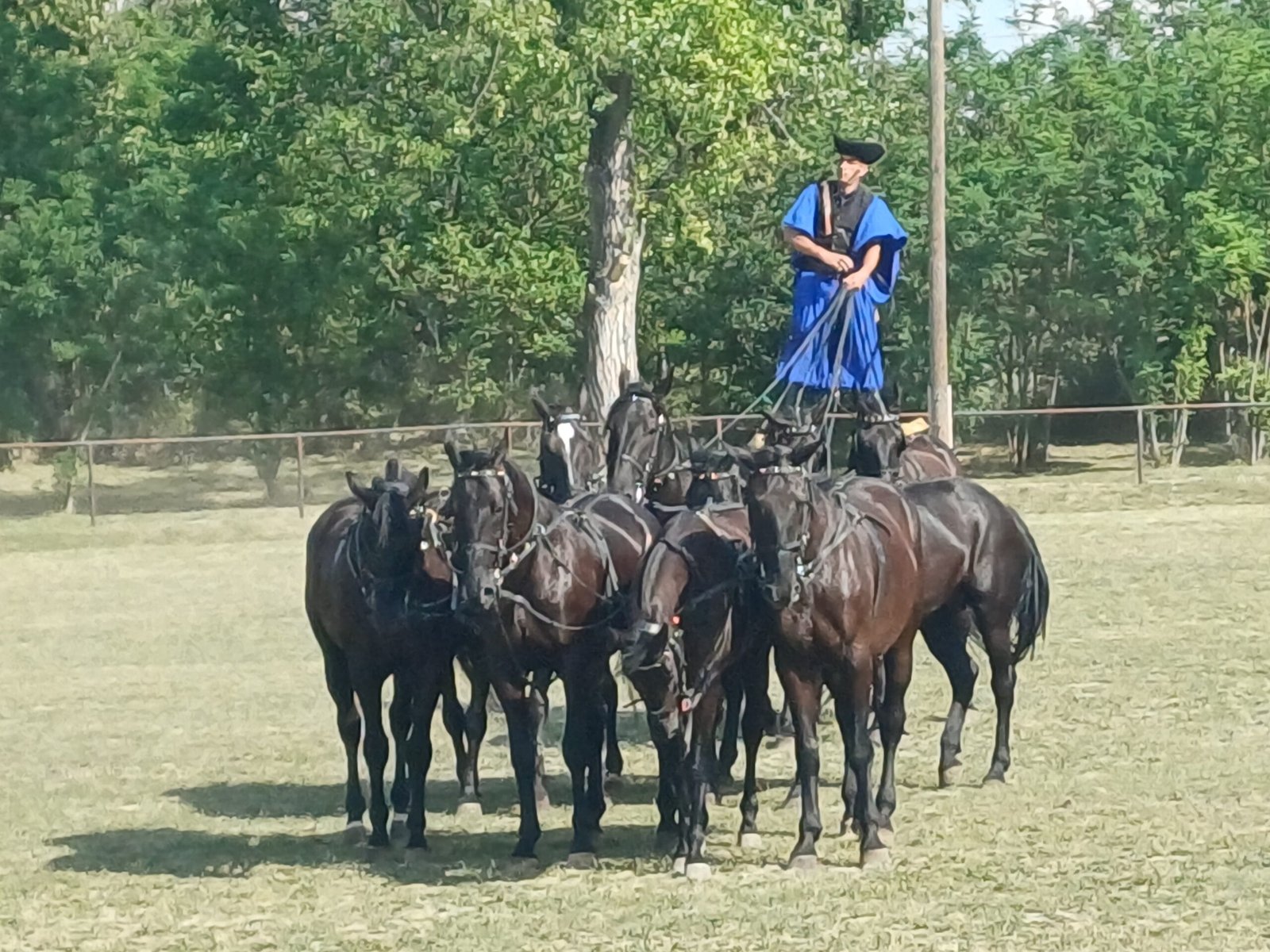
The Hungarian csikós (traditional horse herders, often compared to cowboys) are the historic guardians of the horses that roam the vast Hungarian grasslands, known as the Puszta. Their horsemanship was never developed for competitions or showmanship, but for survival in battle.
Their horse-friendly training methods, combined with the calm and reliable Nonius horse breed, have created an extraordinary bond between horse and rider. No traditional saddle, just a simple blanket with stirrups, a loose bridle and, above all, complete trust in one another. It’s truly impressive to watch.
Training for survival
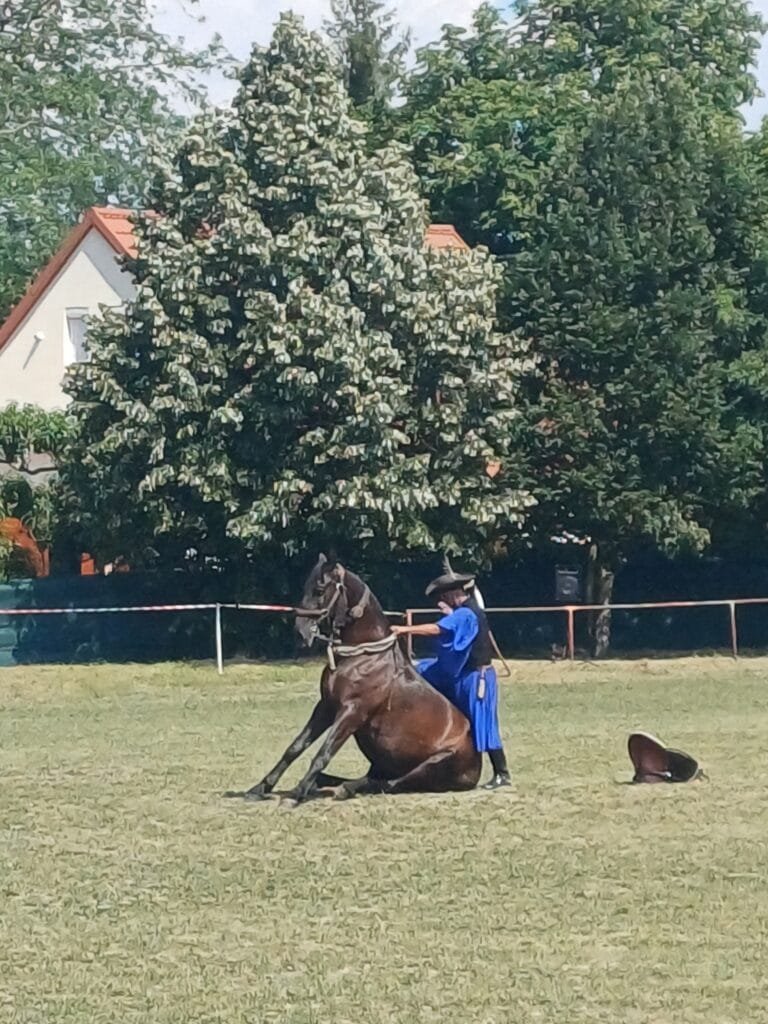
One remarkable skill is that the horses can be trained to lie down on command. On the open plains this allowed riders to hide from enemies during battle.
The horses are also taught not to panic at loud noises. Traditionally this was achieved by cracking the famous long Hungarian whips over their heads, preparing them for the sound of gunfire.
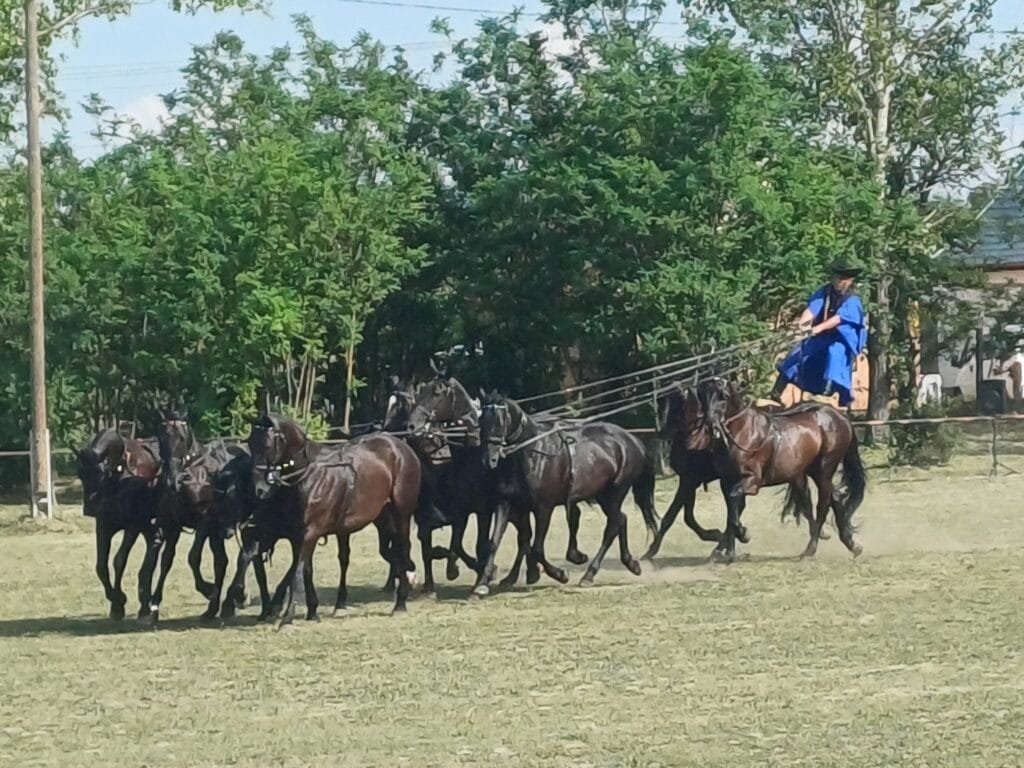
Another spectacular tradition is the famous Hungarian Puszta Five, where one rider stands on the backs of two galloping horses while driving three more in front. This breathtaking stunt also has military roots. It was originally used to bring home the horses of fallen soldiers after battle.
Racing across the plains without spilling a pint is probably less useful nowadays, but the enjoyment and mutual trust between horse and rider are obvious to everyone watching.
A living tradition
One of the nicest things is that Hungarians are incredibly proud of their csikós. Many villages invite them to perform during local festivals.
Of course, you can also visit the more tourist-oriented horse shows on the Puszta itself. But if you’re lucky, you’ll find these horsemen performing all over Hungary throughout the year.
We were lucky enough to watch some of the very best csikós free of charge during the annual village festival in our own town of Berhida. One of the riders even holds the record for driving eight horses at once, instead of the traditional five.
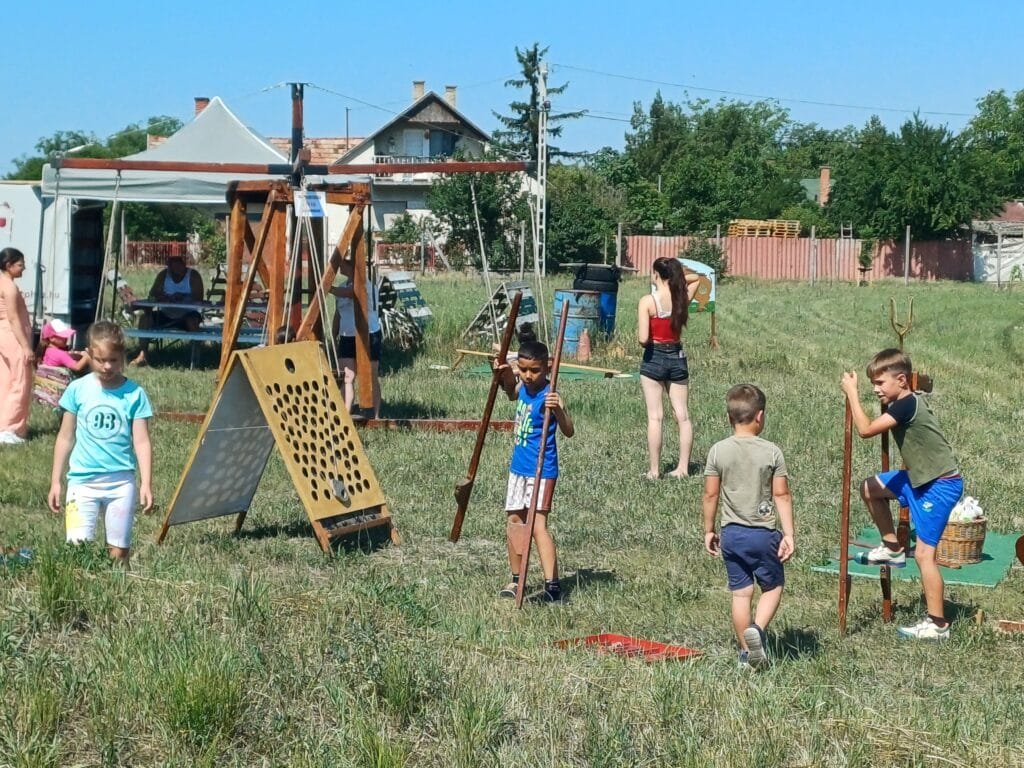
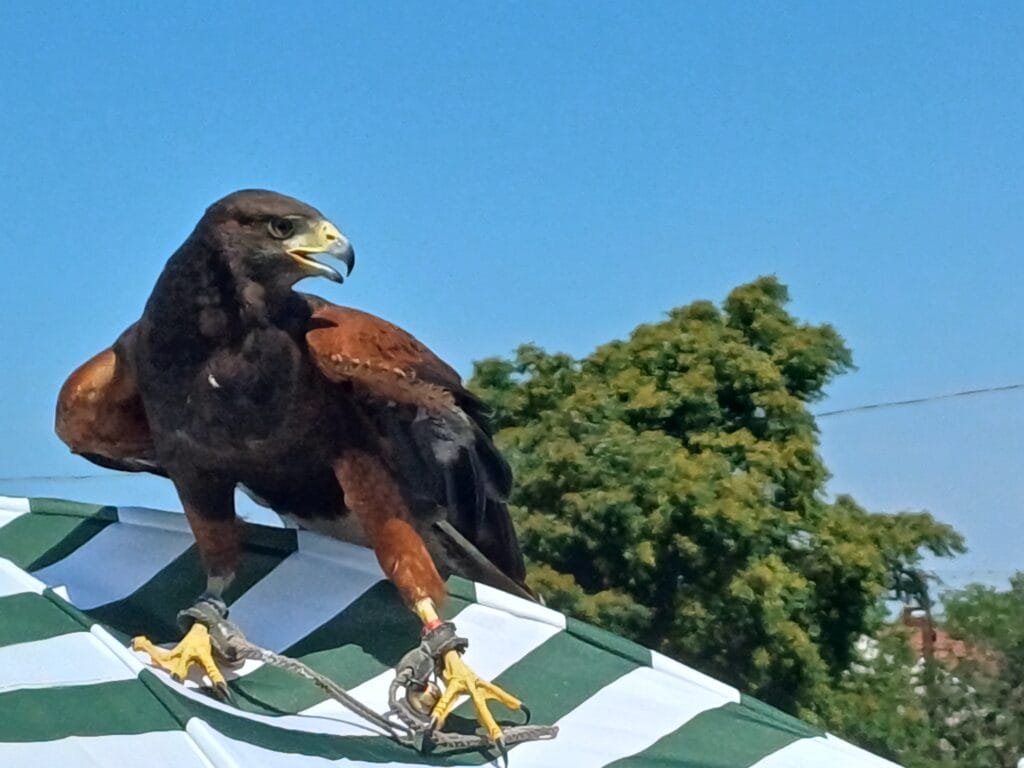
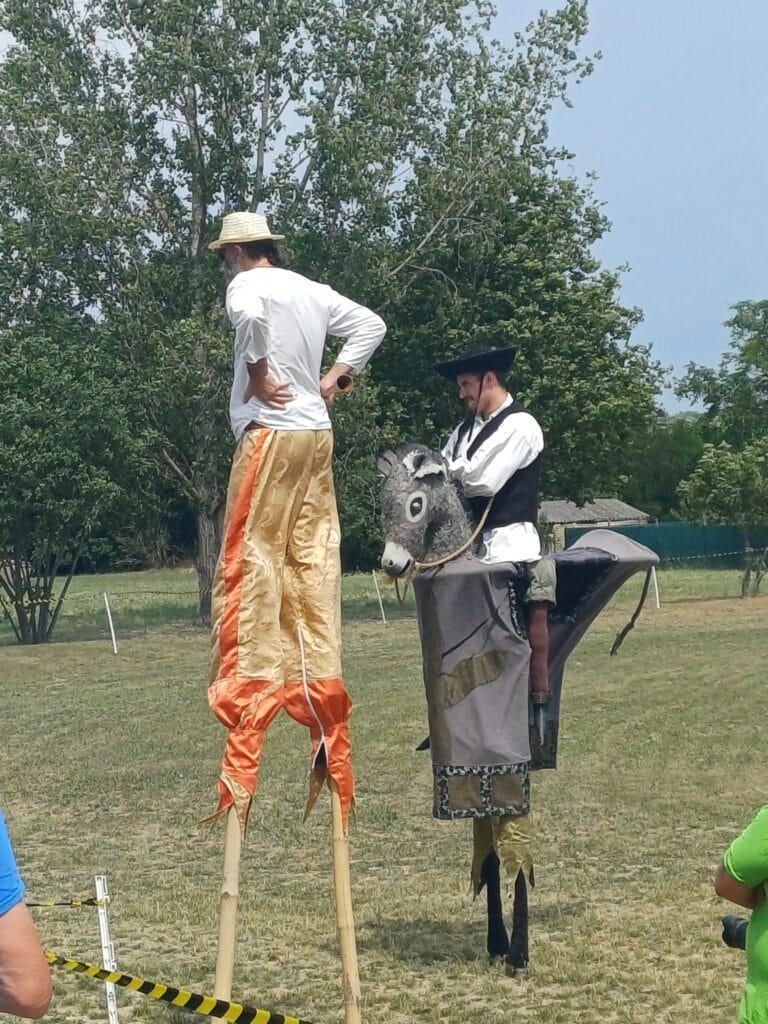
Although the horse show was undoubtedly the highlight of the day, we also enjoyed an impressive birds of prey demonstration, stilt walkers and traditional Hungarian songs and music. It was an experience we’ll never forget